 Thrive Health Journal
Nicotine Pouches Are 3x Harder to Quit Than Cigarettes

Dr. James Harlow, MD, PhD
Consultant in Addiction Medicine & Neuropharmacology
Former Senior Research Fellow, Institute of Psychiatry, Psychology & Neuroscience, King's College London
Lead author, Nicotine Dependency Profiles in Smokeless Product Users (2023)
Published: Thrive Health Journal · Peer-reviewed commentary
Expert Commentary
Over the past six years, my research team at King's College London tracked 1,400 participants across three nicotine dependency cohorts cigarette smokers, vapers, and oral nicotine pouch users. What we found challenged assumptions held widely across the addiction medicine community.
Pouch users exhibited significantly higher dependency scores on the Fagerström Nicotine Dependence Scale than matched cigarette-smoking controls. More strikingly, their self-reported quit attempt failure rates were nearly three times higher at the 90-day mark. The data pointed to a convergence of factors delivery pharmacokinetics, use-occasion frequency, and the absence of social friction that collectively produce a dependency profile unlike anything we had previously characterised in smokeless nicotine products.
I am writing this commentary because the public health conversation has not kept pace with the clinical evidence. What follows is an accessible summary of what the research tells us and what it means for the millions of people currently trying to stop.

The Problem Nobody's Talking About
The clinical picture that emerges from our research is consistent with what patients report anecdotally. When Charlie switched from cigarettes to nicotine pouches two years ago, he believed he was making a harm-reduction choice. He was not prepared for what followed.
"I thought quitting cigarettes was hard. But trying to quit these pouches? It's been three times worse. The withdrawal is unlike anything I experienced with smoking."
Charlie isn't alone. Across forums, support groups, and social media, a pattern is emerging that researchers and health professionals are starting to notice:
Nicotine pouches may be significantly more difficult to quit than traditional cigarettes.
Why Pouches Create Stronger Dependency
The Invisible Addiction
Unlike cigarettes or vaping, nicotine pouches have no friction. You can use them anywhere, anytime, without anyone noticing. No smoke. No smell. No need to step outside.
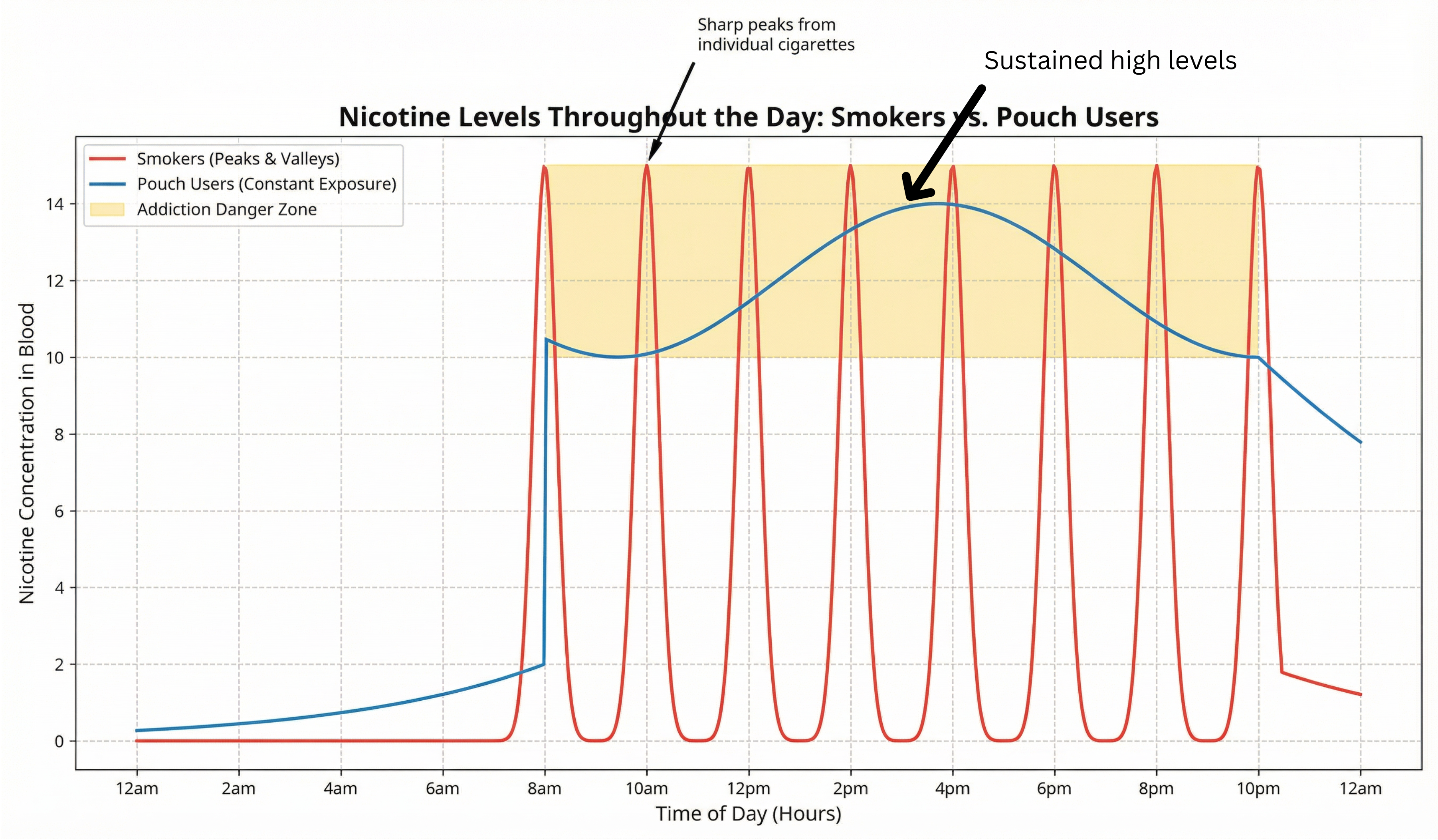
This convenience becomes a trap. Users report consuming pouches constantly throughout the day, maintaining a steady level of nicotine in their bloodstream that far exceeds what smoking provides.
The Nicotine Delivery Problem
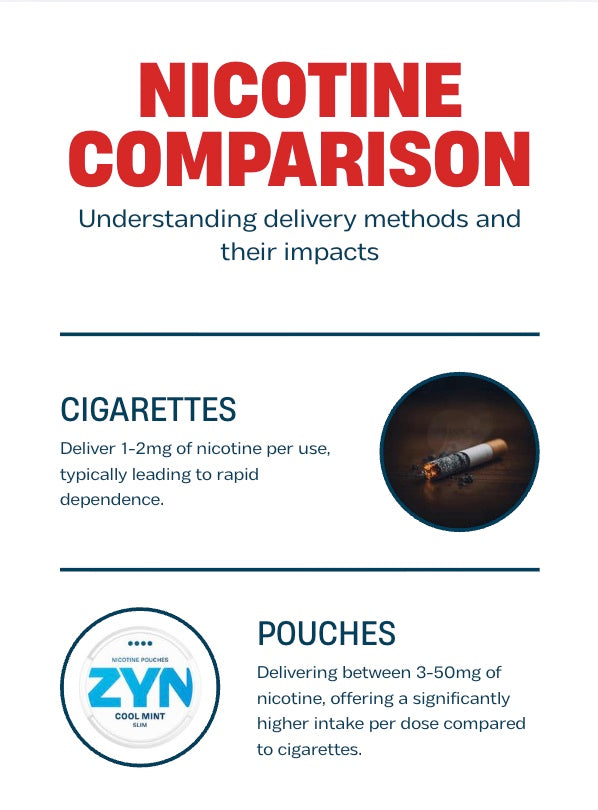
Your typical cigarette delivers 1–2 mg of nicotine. Nicotine pouches range from 3 mg to over 50 mg per pouch, with near-100% direct absorption into the bloodstream.
"Within 5 minutes, I got the strongest nicotine rush of my life — stronger than when I first started smoking. And I've been a heavy smoker for a decade. These things knocked me sideways."
The Constant Dosing Cycle
Smokers experience an up-and-down cycle throughout the day. Pouch users maintain constant nicotine levels, which fundamentally rewires dependency. Even the lowest-strength pouches deliver more total daily nicotine than smoking.
"The insidious thing about pouches is the constant level of nicotine in your blood. It makes you far more addicted than the up/down smoking cycle ever did."
The Hidden Health Impact
Cardiovascular Stress
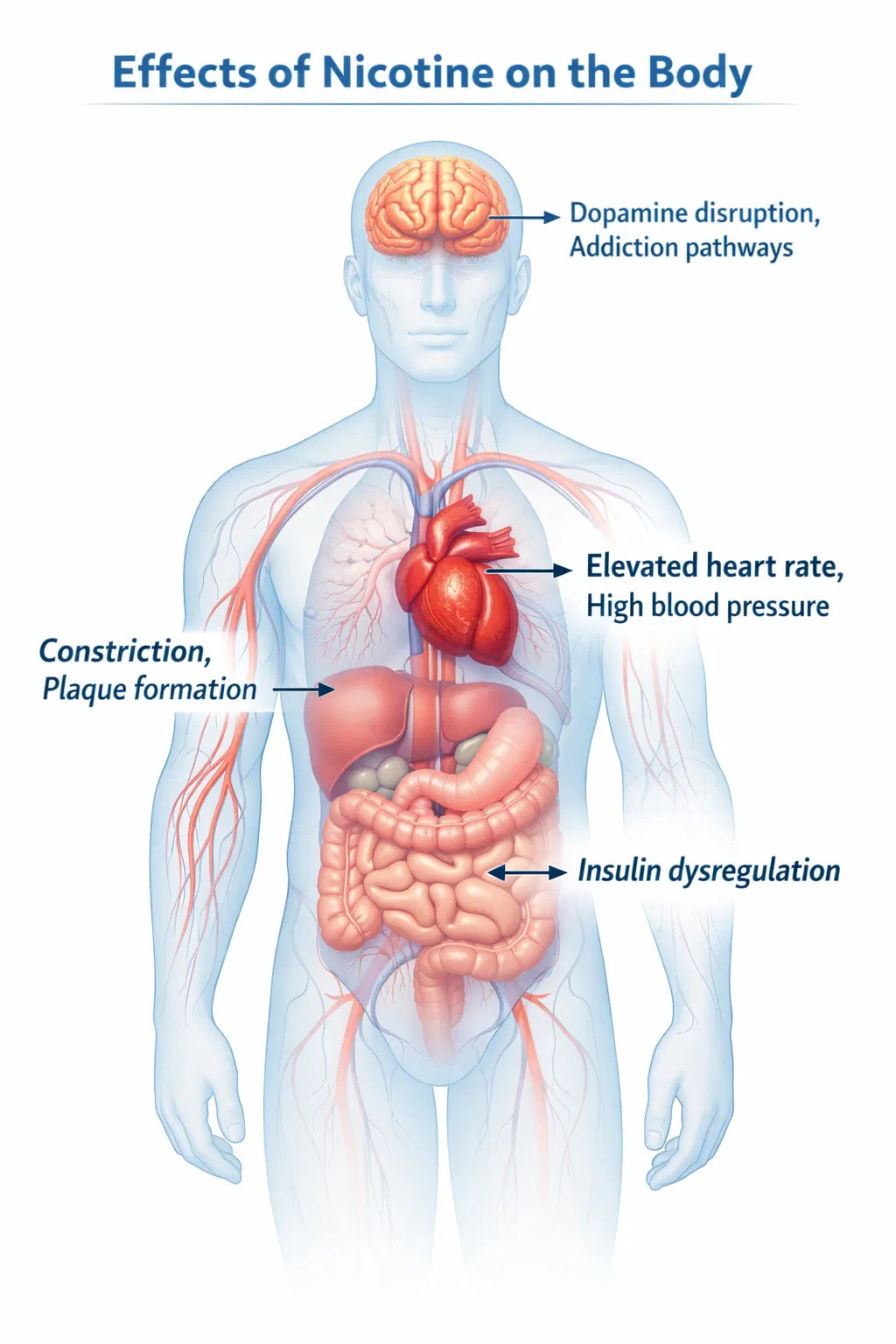
While pouches eliminate many carcinogens found in cigarettes, nicotine itself remains cardiotoxic. As a vasoconstrictor, it constricts blood vessels, elevates resting heart rate, raises blood pressure, promotes arterial plaque formation, and increases cardiovascular disease risk.
"My resting heart rate and blood pressure dropped noticeably within a week of stopping. I'm almost three months nicotine-free now, and my life is better in every single way."
Metabolic Disruption
Emerging research shows nicotine affects insulin regulation, causing elevated spikes that persist throughout the day. Users report higher resting heart rate, lower heart rate variability, metabolic dysregulation, and an increased stress response.
The Mental Health Connection
One of the most surprising findings is the severe psychological withdrawal that follows quitting.
"I expected the addiction to be hard to kick. I did not expect the mental and emotional depression that followed. It blindsided me completely."
The dopamine disruption from heavy pouch use can take months to normalise, leaving users struggling with brain fog, fatigue, and low mood well into their recovery.
The Withdrawal Reality
Week One: The Physical Battle
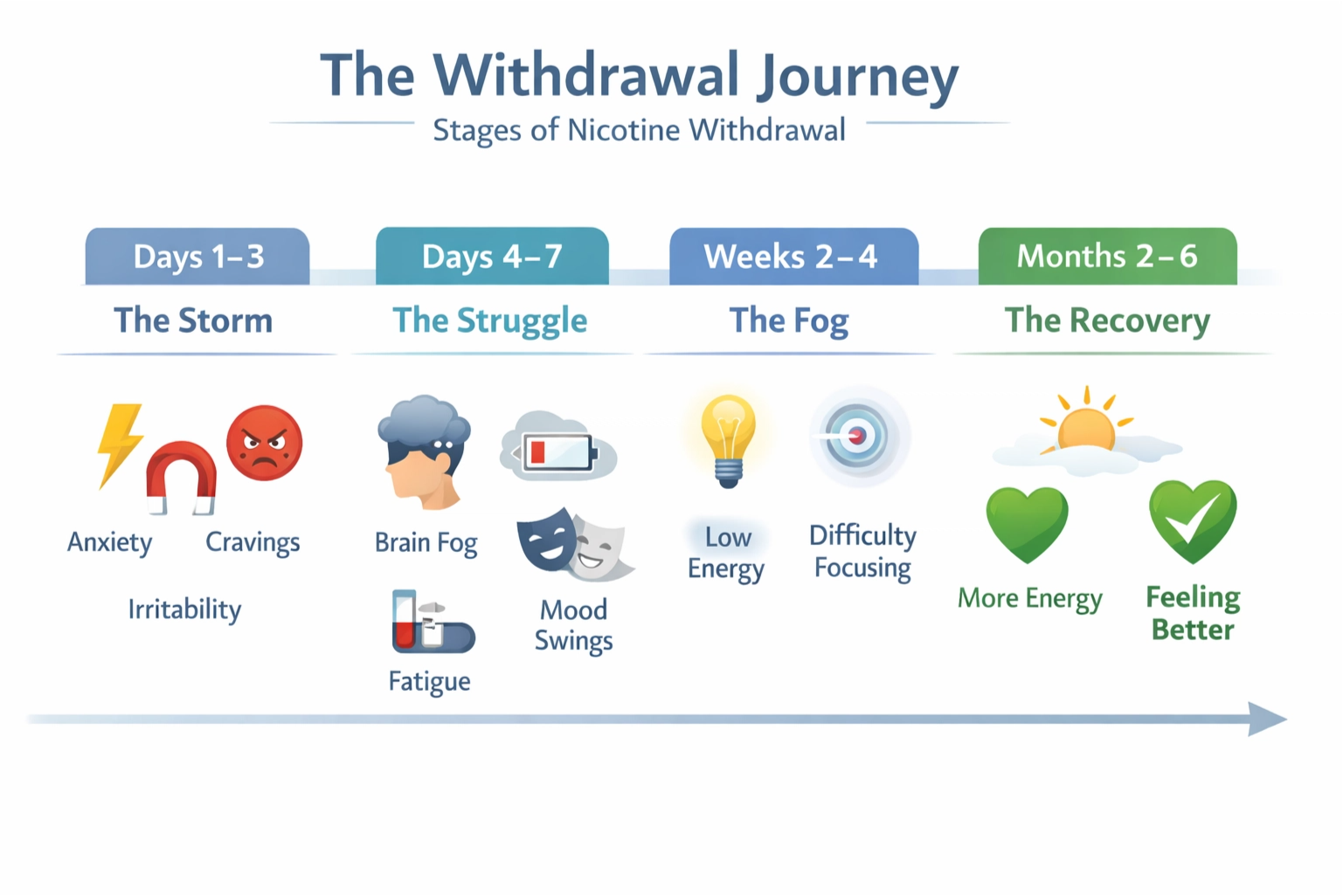
Users consistently report that the first 3–7 days are intense: severe cravings, physical discomfort, anxiety spikes, sleep disturbances, and mood volatility.
"I'm on day three of stopping and my heart already feels better. But the mental part is no joke."
Weeks Two to Four: The Mental Marathon
After the nicotine leaves your system, the psychological dependency remains — brain fog, difficulty concentrating, fatigue, emotional flatness, and habit triggers throughout the day.
Months Later: The Long Recovery
Some users report experiencing effects for six to eight months after stopping.
"I used 15 mg pouches for four years. Stopped nearly eight months ago and it still isn't easy. The dopamine shift these things create is remarkable."
Why Traditional Quit Methods Fall Short
The Nicotine Replacement Trap
Many people try to quit pouches by using other nicotine products gum, patches, or weaker pouches. This simply extends the dependency cycle rather than breaking it.
"My mother died of heart-related issues after being on nicotine gum for 15 years. I was searching for evidence of long-term harm, and everywhere said it was just expensive. They were wrong."
The Willpower Myth
"Just quit cold turkey" sounds simple, but it ignores the neurological reality of addiction. Your brain has been rewired. Willpower alone rarely succeeds against altered brain chemistry.
"You've got to realise you're completely addicted to a strong substance that has literally changed the way you think and act. Your brain rewires when you stop."
The Social Pressure Factor
Pouches are trendy. They're marketed as harmless. Friends offer them casually. The social environment makes stopping feel like you're missing out rather than making a healthy choice.
"Zyn is running a campaign called the 'Zyn10 Challenge' — try it for 10 days for £20 off. Probably just long enough to get you addicted. No clue how this is legal."
What Your Body Is Really Craving
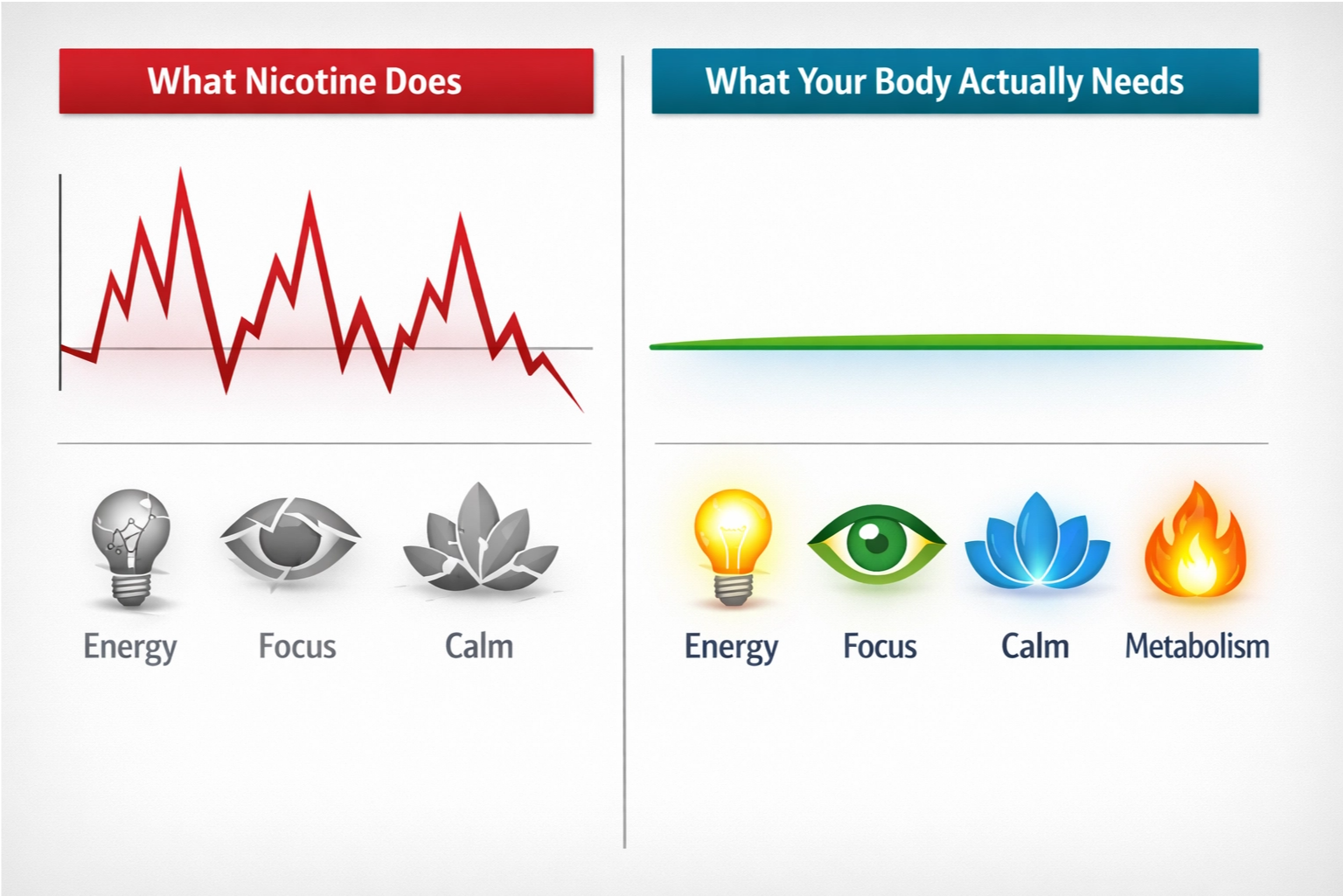
Nicotine doesn't actually give you energy, focus, or calm. It temporarily relieves the withdrawal symptoms it created in the first place.
Non-users don't need nicotine to focus, stay calm, or have energy throughout the day. Their bodies produce these naturally.
"When you're a nicotine addict, it convinces you that it calms you down. The calming effect is just the ending of withdrawal between uses. The nicotine was actually contributing to my stress the whole time."
The Real Problem And Why Most Quit Methods Fail
When you've been using nicotine pouches heavily, your body has outsourced certain functions to an external chemical:
- •Energy production — Instead of natural cellular energy, you rely on nicotine's stimulant effect
- •Focus and clarity — Your dopamine system depends on nicotine hits
- •Stress management — You've lost touch with your natural calm state
- •Metabolic function — Nicotine has been artificially regulating your insulin and metabolism
When you suddenly remove nicotine, your body doesn't remember how to do these things on its own. That's why withdrawal is so brutal and why nicotine replacement products don't work long-term. They don't teach your body how to function normally; they just extend the dependency.
Real People, Real Breakthroughs

"I tried quitting pouches four times. Each time, the withdrawal was so bad that I gave up within days. Then I found something that actually addressed what my body needed. The difference was night and day. I'm 8 months free now."
"After 4 years on Velo's, I thought I'd never escape. The brain fog and fatigue when I tried to quit were unbearable. Having something that supported my natural energy production made all the difference. I actually feel GOOD now."
"I've quit harder drugs than nicotine, but nicotine was winning until I stopped fighting my biology and started supporting it. Game changer."
The Solution That's Helping Thousands Break Free
This is why Mystic's HEX exists. We saw what was happening. People desperately wanted to quit pouches but kept failing — not because they lacked willpower, but because nothing addressed the real problem: their bodies had forgotten how to produce natural energy, focus, and calm.
So we created something different. Not another nicotine product. Not false promises. A science-based formula designed specifically to support the systems nicotine has hijacked:
🧠
Dopamine & Neurotransmitter Support
Natural compounds that help restore the reward pathways nicotine has disrupted, reducing cravings and mood swings.
⚡
Clean Cellular Energy
Real energy production at the mitochondrial level — not the fake jolt and crash of stimulants, but sustained natural energy.
🎯
Mental Clarity & Focus
Support for cognitive function without relying on external chemicals, helping you think clearly through withdrawal.
😌
Stress Response Regulation
Adaptogenic support that helps your body manage stress naturally, the way it did before nicotine took over.
💪
Metabolic Balance
Ingredients that support healthy insulin function and metabolism as your body recalibrates.
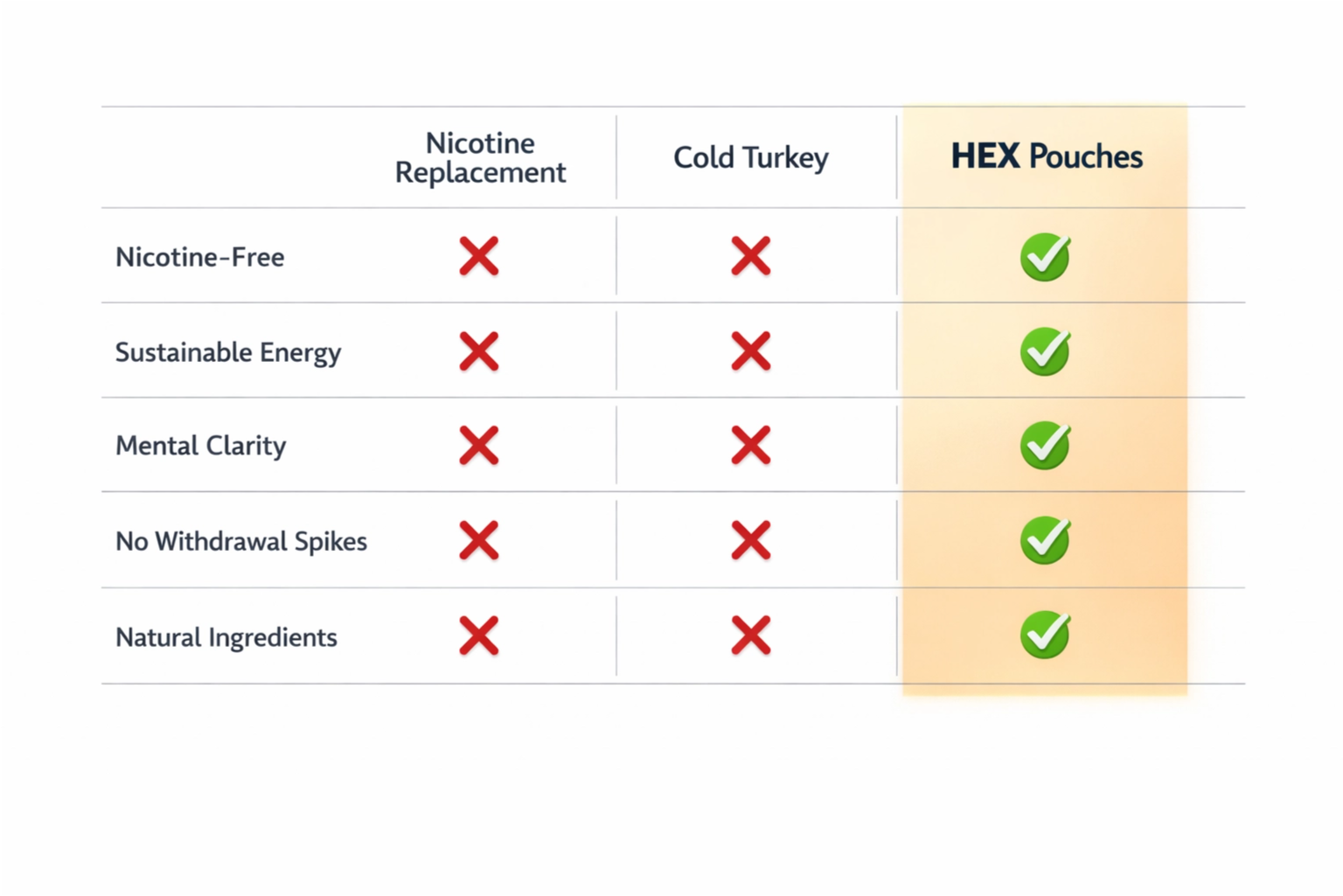
Why HEX Works Where Everything Else Fails
✓
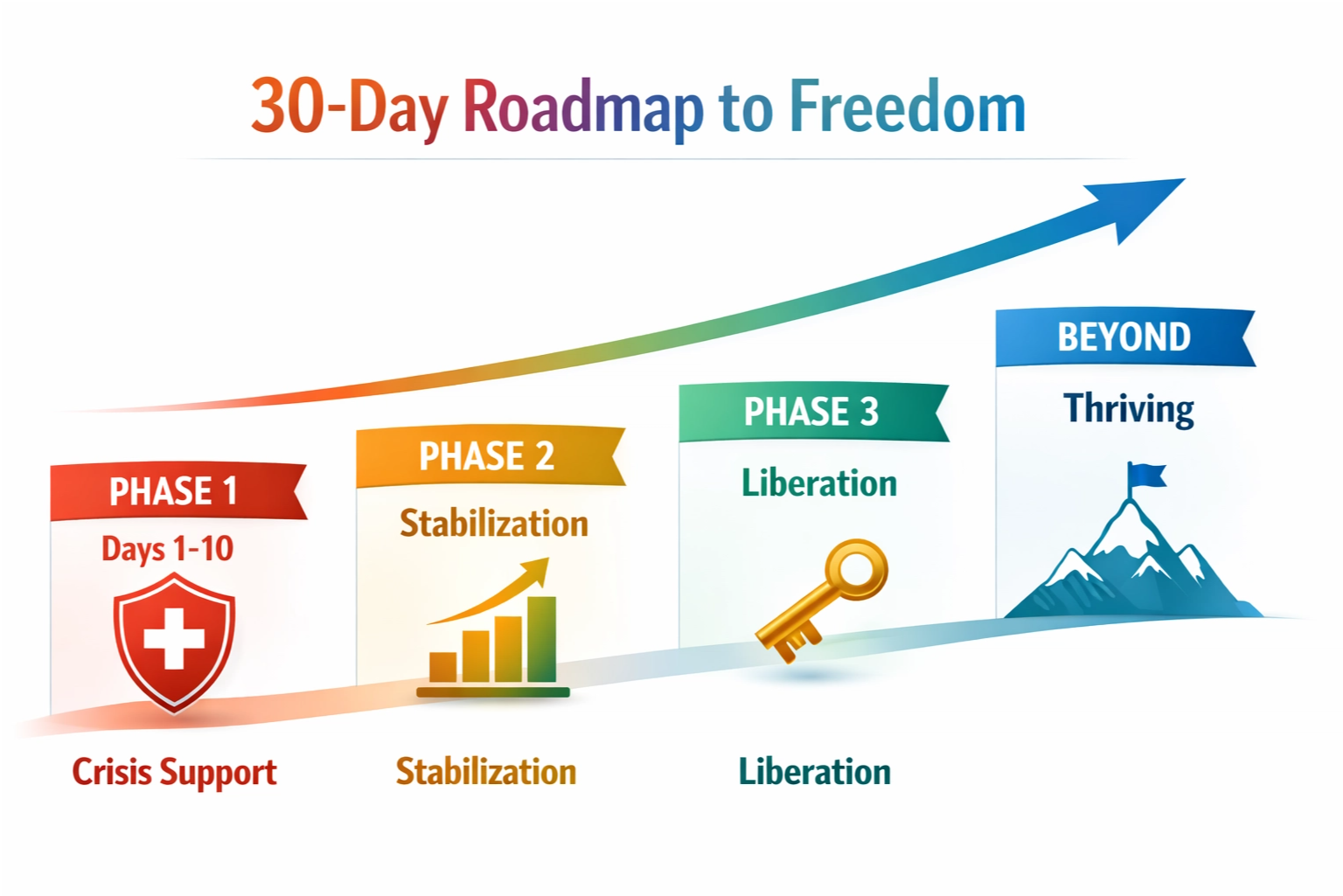
Days 1–10: The Crisis Phase
This is when withdrawal hits hardest. Mystic's HEX provides the energy, focus, and mood support your body is screaming for, making the unbearable... bearable.
✓
Days 11–20: The Stabilisation Phase
Your body starts remembering how to function normally. Cravings decrease. Energy stabilises. You start feeling human again.
✓
Days 21–30: The Liberation Phase
Your natural systems are coming back online. You notice you're not thinking about pouches constantly. The grip loosens. Freedom feels possible.
✓
Beyond 30 Days: Your New Normal
97% of users continue with Mystic's HEX for 2–3 months as their body fully recalibrates. By then, they're not just 'not using pouches' — they're thriving.
What Makes HEX Pouches Different?
❌
Not a nicotine replacement — Zero nicotine, zero dependency transfer
✅
Addresses root causes — Supports the systems nicotine damaged
❌
Not a magic pouch — Withdrawal still happens, but it's manageable
✅
Science-based support — Works with your biology, not against it
❌
Not another stimulant — No jitters, no crash, no new addiction
✅
Natural restoration — Helps your body do what it's supposed to do
Your Moment of Decision

You're at a crossroads. You can:
Option 1: Keep using pouches, knowing what you now know about the cardiovascular damage, the deepening addiction, and the increasing difficulty of quitting later.
Option 2: Try to quit cold turkey with willpower alone, likely facing the brutal withdrawal that's defeated you before.
Option 3: Give your body what it actually needs to make this transition successfully.
Ready to break free?
Use code BREAKFREE for 20% off — 30-day money-back guarantee
CHECK AVAILABILITY 👉Join the 6,000+ Who've Already Broken Free

We're so confident Mystic's HEX will make your transition dramatically easier that we offer a simple promise:
Try it for 30 days. If you don't feel a significant difference in your energy, focus, and ability to stay away from pouches, we'll refund every penny.
The cravings become whispers instead of screams.
The fatigue lifts.
The brain fog clears.
And for the first time in years, you remember what it feels like to just... be yourself.
CHECK AVAILABILITY 👉Use code BREAKFREE for 20% off · 30-day money-back guarantee · Free UK delivery